The National Government’s lack of interest in protecting the environment is becoming an international embarrassment, the Green Party said today.
The OECD environment report out this week shows New Zealand is one of the worst performers in the OECD on a range of environmental indicators, including greenhouse gas emissions, freshwater use, overuse of fertiliser, and taxing pollution.
“Not only is the National Government failing to protect the environment we love, but it’s embarrassing New Zealand internationally. Other countries are making much more of an effort to look after nature and their environment as the basis for a strong economy,” said Green Party environment spokesperson Eugenie Sage.
“New Zealand should be a world leader in protecting our environment, but instead, we are shown as a poor performer in some key areas.
“The National Government’s lack of concern for the environment is threatening our way of life, and our international standing.
“The OECD report shows almost all OECD nations have manged to reduce their greenhouse gas (GHG) emissions since 2000. New Zealand is one of only a handful of countries where emissions have grown – in this case by 7 percent.
The report says there has been “an overall decoupling” of greenhouse gas emissions and economic growth within the OECD, due to the “strengthening of climate policies and changing pattern of energy consumption”.
“New Zealand hasn’t managed to increase growth without also increasing pollution. In 2012 New Zealand was second only to Estonia in GHG emissions per unit of GDP.
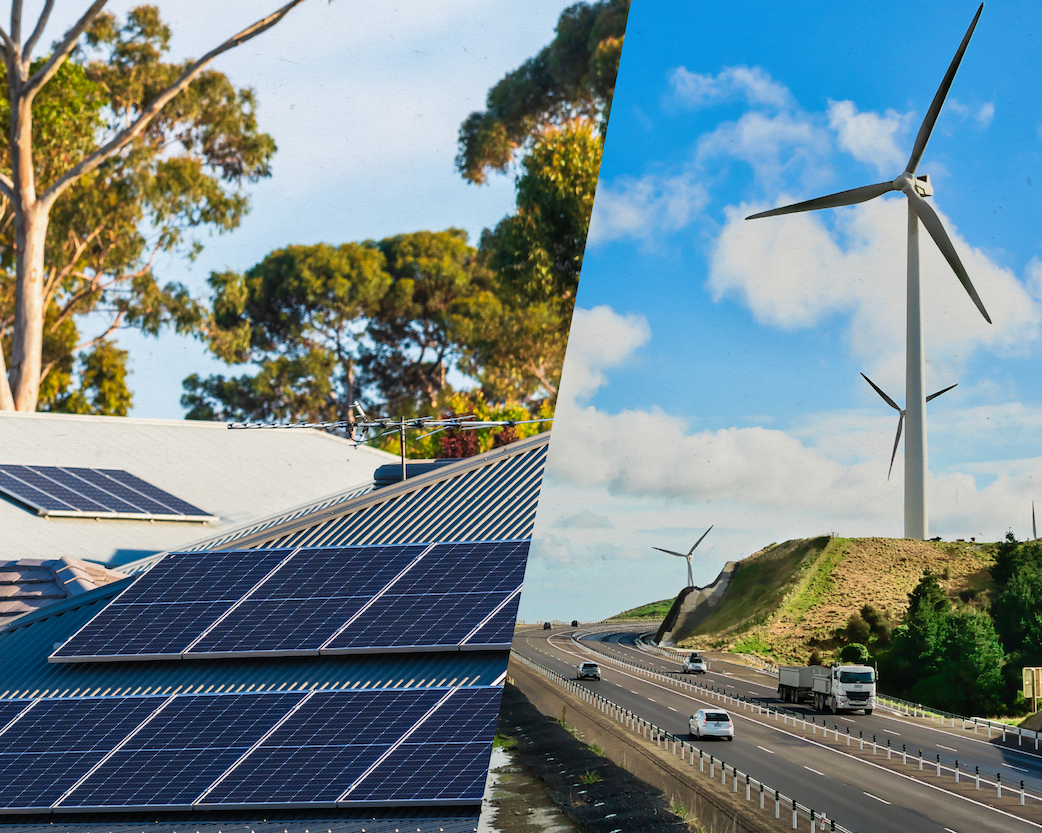
“We’re nowhere near a low-carbon economy, as demonstrated by how slowly we are reducing our GHG emissions intensity.
“New Zealand should be one of the leaders in the developed world’s efforts to clean up its economies, but instead, we are continually being highlighted as one of the worst. We are doing worse than the United States, the United Kingdom and Canada.
“New Zealand’s overall level of tax on pollution is the fourth lowest in the OECD according to the report.
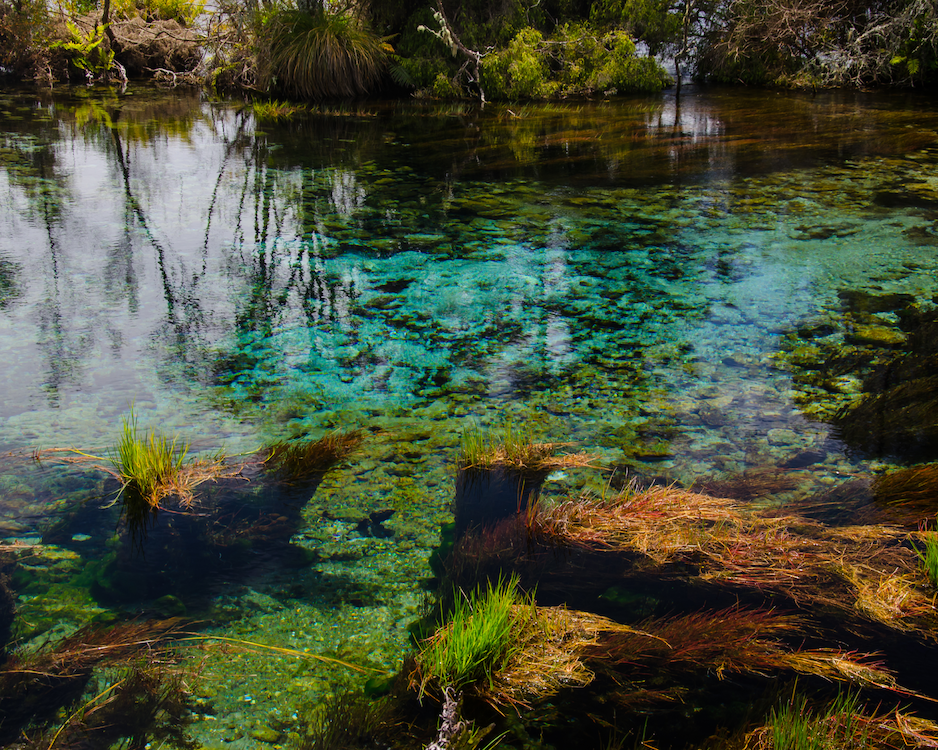
“The report shows New Zealand as a heavy water user, second only to United States and Estonia in the amount of water approved for extraction per capita; taking 1190 cubic metres annually per person. Nearly sixty per cent of this is used for irrigation.
“Charging for the commercial use of water as the Green Party proposes would help promote more efficient water use to reduce the impacts on rivers, lakes, and groundwater.
“The Government needs to invest in environmental protection and safeguard our climate, land, rivers, and oceans. The places we love are worth saving from pollution,” said Ms Sage.






Latest Environment Announcements
Story

$30m for school drinking water safety is a start but pollution keeps flowing
Story
“End of an era” as Government law change disestablishes Ministry for the Environment
Story

NZ democracy at risk of corporate corruption - Green Party backs urgent inquiry
Story
Action needed on widespread drinking water problems
Story
9,000 students faced unsafe drinking water at school last year
Story