









Energy Policy

Summary
OUR VISION
Aotearoa is an energy-sovereign nation where everyone has access to reliable, affordable, and renewable energy from a democratised energy system that prioritises Māori, community, and public ownership over private profit.
Values and Principles
Social responsibility:
Energy is an essential service to which everyone should have reliable and affordable access. The energy system should exist for the public good, not just for profit.
Honouring Te Tiriti o Waitangi:
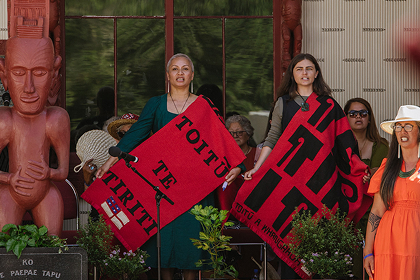
When Māori rights and interests, resources and taonga are impacted by the energy system, these must be protected. Hapū and iwi should have tino rangatiratanga over energy and resources, including governance, ownership and direct benefit from energy infrastructure.
Appropriate Decision-making:
The production and supply of energy should be democratic and in public, community, hapū and iwi Māori control and ownership; and should be governed and operated with the primary objective of increasing energy sustainability, sovereignty, equity and resilience for all New Zealanders.
Ecological Wisdom:
The scale and rate of energy use, and the choice of energy source, should be constrained and managed to occur within ecological limits. In particular, recognising the existential threat of climate change, urgent mitigation of and adaptation to climate change and transition to renewable sources and away from fossil fuels are core objectives of energy policy.
Non-violence:
To minimise social, economic, and environmental disruptions from climate change, the phase-out of fossil fuel use needs to be rapidly achieved in such a way as the greatest burden is carried by the biggest industrial polluters, and is otherwise shared fairly and does not fall disproportionately on the poor or marginalised.
Synergy:
Take a holistic and coherent approach across government that creates co-benefits, and avoids trade-offs.
Strategic Priorities
- Fundamentally reform the electricity market structure and ensure that the market works in the public interest. (1.4)
- Develop and implement a national integrated energy transition strategy that includes: Phasing out the use of fossil fuels while maintaining energy security for households and essential public services; (2.2.3)
- Establish Tiriti-based energy legislation that enables Māori and community involvement, ownership and leadership in energy projects (...) (1.2.1)
- Maintain, strengthen and/or transform existing energy infrastructures to withstand extreme weather events, manage mass electrification, and increase distributed energy resources (3.2)
- Set an ambitious goal, consistent with our commitments to keep global warming to 1.5 degrees, to increase the share of renewable energy in the total primary energy supply, taking a strategic whole-of-system approach. (2.4.1)
- Establish a National Environmental Standard for Community Wind. (2.5.3)
Connected Policies
To mitigate Climate Change, we need to minimise and replace fossil energy sources and maximise energy efficiency, including in Transport, Business, and Housing and Sustainable Communities. Trade and Foreign Investment should support a sustainable energy future. Biodiversity and Environmental Regeneration must be protected from industrial energy generation, including Freshwater and Marine ecosystems. Biofuels are connected to practices in Forestry, Agriculture, and Waste.